The month is now over. The month has ended.
Make sure to check the restaurant’s account.
The number you received wasn’t what you expected.
For owners of restaurants, this is a problem because profits and cash available seem like they should tell the same story. These two things don’t match with each other. A P&L measures how well the company’s financials have performed over a certain time and the bank account reflects the time frame of money going into and out the company.
Knowing the difference could change how a business owner examines the financials of a restaurant.
Imagine what could happen during an ordinary week. Customers pay for meals. Employees are required to be paid. You will receive invoices with food and beverage deliveries. Rent is getting closer. The time of the credit card deposit differs. Sales tax has been collected, but the money comes with an obligation.
The purchasing for the coming week has already begun.
When you look only at revenue and the final profit figure it’s easy to overlook the vast amount of activity.
The answer could be hidden in prime cost
If the restaurant’s profitability begins to shift in the negative direction, then food, drinks as well as labor costs require focus.
The prime cost is comprised of both items and labour. The bookkeeping chef’s guideline places the prime cost at between 60%-65 percent of revenues for a variety of restaurants, while focusing on the importance of monitoring weekly rather than waiting until the closing of each month.
Effective prime cost management is less about obsessing over a single percentage and more about noticing movement early.
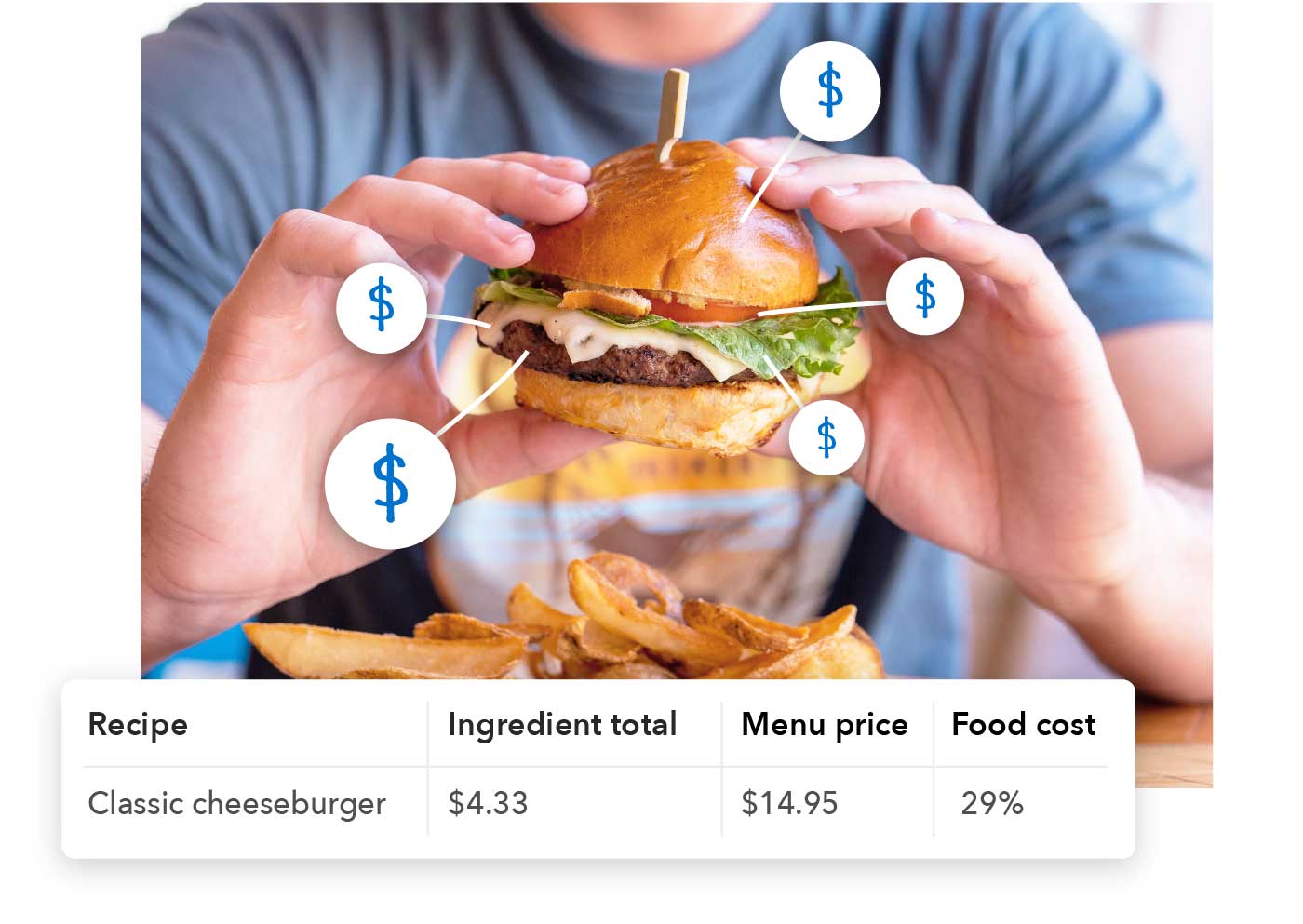
Suppose that normally the restaurant performs near its target but this week, it’s a higher percentage. Perhaps the overtime rate increased. Perhaps, the costs for beverages remained constant while food costs jumped. A higher percentage of food could prompt the owner to examine buying, waste, menu mix portions or vendor invoices.
The percentage raised the question. It is in the activity in the restaurant.
A weekly report can make that conversation possible while everyone will be able to recall what occurred.
After a few weeks The details are much more difficult to reconstruct.
Then, the Vendor Bills arrive.
Restaurants may buy ingredients one week and pay for them the following week. That timing helps explain why that understanding profit alone isn’t the answer to every cash question.
Vendor invoices must be recorded, received then tracked and finally paid. Manually completing this task in a busy business with many suppliers can be a massive administrative burden.
Automating the process of paying bills can assist in coordinating this process through reducing the repetition of payments and bills. Systems for bookkeeping that connect will give the owners a clear understanding of their obligations, even though they haven’t yet been paid.
This is useful, because the balance of your bank account may appear healthier than a restaurant’s actual situation in the near future.
It could be that there is $80,000 in the bank account at present. The $80,000 figure means very little if vendors, rent or payroll take up a significant portion of the account in the next few days.
Forecasting cash flow is a natural outcome.
The most appropriate question to ask is “What happens to our money after we receive it and have met our commitments we’ve identified?”
This distinction is essential when deciding on whether or not this is the right week to buy an additional purchase, replace equipment, or preserve the liquidity.
And Some of the Cash Was Never Yours
The sales tax illustrates this in particular.
Restaurants collect money from their customers, which they must be able to manage in accordance with their tax obligations. If those dollars are mentally associated with operating cash, the bank balance can create a misleading sense of the money available to spend.
Consistent records help restaurants comply with sales taxes while giving the management a realistic view of their finances.
It is for this reason that restaurant accounting functions better when financial obligations aren’t considered as distinct islands.
Prime cost affects margin. COGS and future payments are impacted by purchases from vendors. Payroll is a factor that affects both cash and labor percentage. Cash flow is impacted by sales tax. The P&L shows financial performance, while forecasting aids management in looking ahead.
Connect the pieces.
Bookkeeping Chef can help bring these pieces together using restaurant-specific reports as well as system integrations. Outsourced bookkeeping can help those who don’t want to be tasked with reconciling their financial information.
This last aspect is crucial.
It’s not for restaurant owners to stop looking at their books simply because they are handled by someone else. The goal is for owners to get information in a form that will help them understand what is happening.
Don’t assume that the P&L is not correct if the accounts appear to be in a good state, yet the P&L shows the restaurant has made money.
What was the difference between them?
This question can tell you more about your company than any number.