The cost is the primary concern that comes to mind when companies are considering industrial epoxy floors. Although it’s natural to begin with the price, focusing solely on that number could cause you to overlook what really is important. Industrial flooring is much more than a cosmetic improvement. It plays a significant role in how efficiently a facility is operating all day.
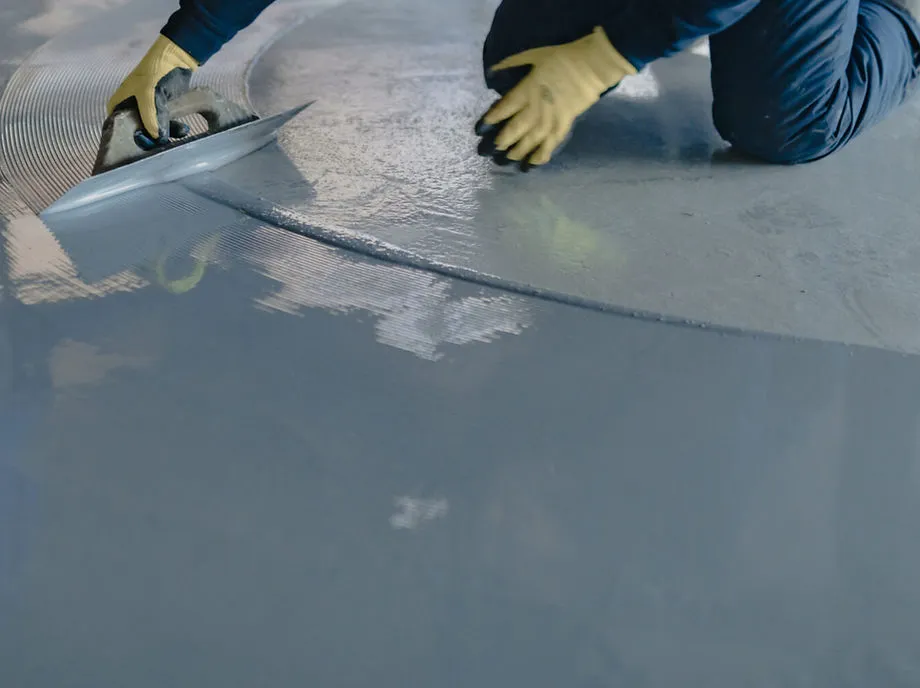
Costs of industrial epoxy floors can be much higher than what people may see. They show the strength, preparedness, and the long-term performance that is built into the system. Knowing this can help move the discussion away from simple pricing to the overall value.
The Reason Industrial Floors Are Built Differently
Industrial environments require more from their floors than other surroundings. Conditions such as high-speed machinery, continuous movement and exposure to various types of materials need to be durable. The industrial epoxy floor is constructed to withstand the stresses that other coatings cannot.
Materials used in the process are formulated so that they create a durable and seamless bond with the concrete underneath. This produces a surface which is durable and stable when it is under pressure. This may increase the price of industrial epoxy flooring, however, it also makes certain that the flooring performs effectively in the long run. In many cases the long-term durability of the system can become its most valuable feature.
Every Successful Installation Has a Solid Foundation
The process of preparation prior to installation is an essential factor for the cost of epoxy flooring for industrial use. The current condition of the flooring is a key factor in determining the level of effort required.
Concrete that has cracks, uneven areas, or indications of damage require an additional effort to build solid base. Professional installers use specific methods for preparing the surface, ensuring that the epoxy sticks to the surface in a proper way. This process will ensure long-term durability.
Skipping or minimizing preparation might lower initial industrial epoxy flooring costs, but it can lead to issues later. Properly prepared is the key for a superior and efficient end product.
How Thickness Influences Performance
The thickness of the epoxy flooring is an important factor in determining industrial epoxy flooring costs. If durability is important, thicker epoxy systems are usually employed.
They offer greater resistance to abrasion, impact and even so they are suitable for use in heavy-duty applications. The addition of material will increase the initial cost of industrial epoxy flooring however it also extends the longevity of the surface. The thickness of the floor depends on the type of use and the level of requirements for performance.
Incorporating different needs of the industry
Each facility is confronted with unique issues. Certain facilities require protection from chemicals, while others require protection from moisture or temperature fluctuations. These elements affect the kind of system to be put in place.
The price of industrial epoxy flooring may be different based on the changes required to satisfy these requirements. This is to ensure that the flooring performs well in its environment. This allows for the flooring to be customized according to the needs of the space.
Think Beyond the Short-Term Costs
Although the cost of installation is significant however, it’s important to take into consideration the length of time epoxy floors are expected to last. High-quality installations can minimize repair and maintenance costs.
This consistency is an essential factor in choosing industrial epoxy flooring. This enables companies to run uninterrupted operations, with less interruptions. From this point of view it is more about stability than expense.
The Benefits of Professional Installation
The installation of industrial flooring requires a lot of expertise and precision. The entire process has to be carefully managed, from preparation to installation.
The industrial epoxy flooring price includes not just the flooring materials, but also the expertise needed to install them correctly. Professional installers know how to adapt to the various conditions and make sure that the flooring will perform as expected. This kind of care contributes to the overall performance of the completed floor.
How to Choose Flooring A Practical Guide
Comparing numbers isn’t enough to select the most suitable flooring option. Understanding how the different elements are interconnected is vital for a solid and durable surface.
Flooring made of industrial epoxy is a strong versatile, flexible, and adaptable solution. The cost of industrial epoxy flooring could differ based on the needs. However, the main concern should be a floor that is able to support the daily demands.
When looking at the whole process, including preparation, the materials used and the installation, businesses can make informed decisions that last.